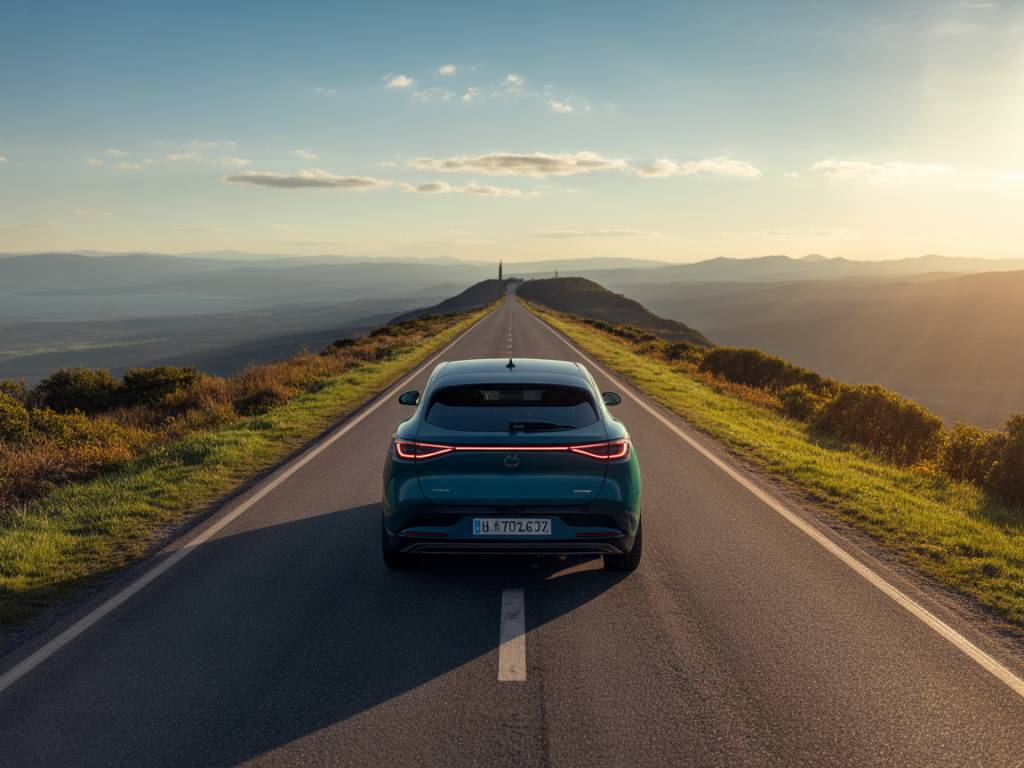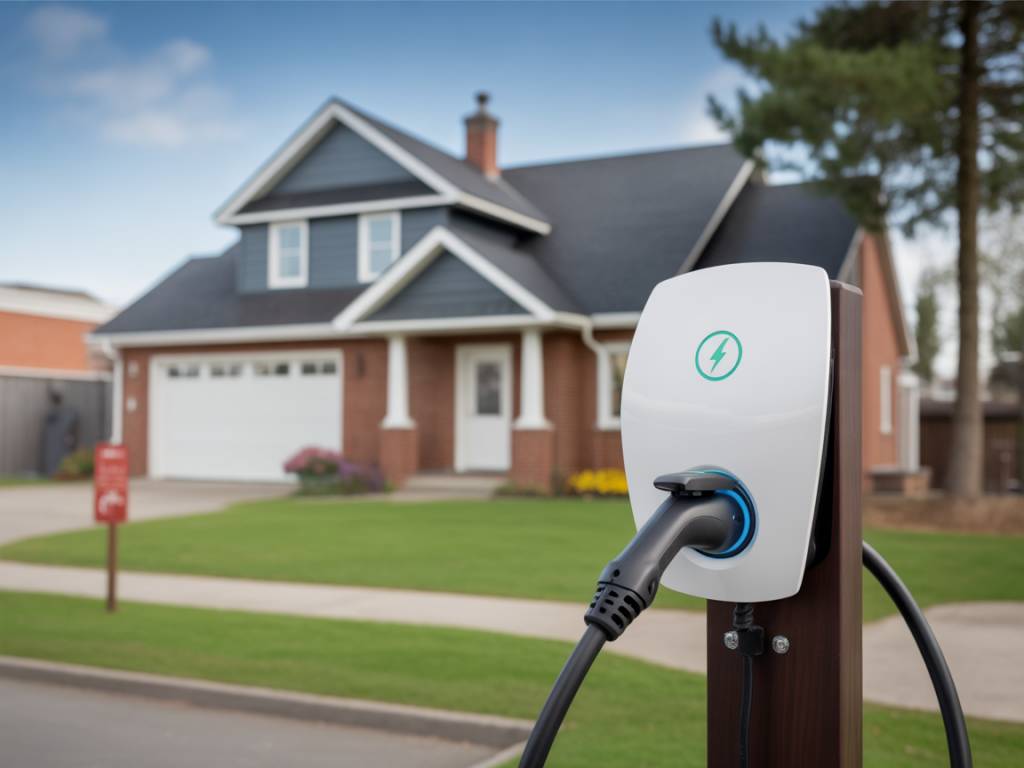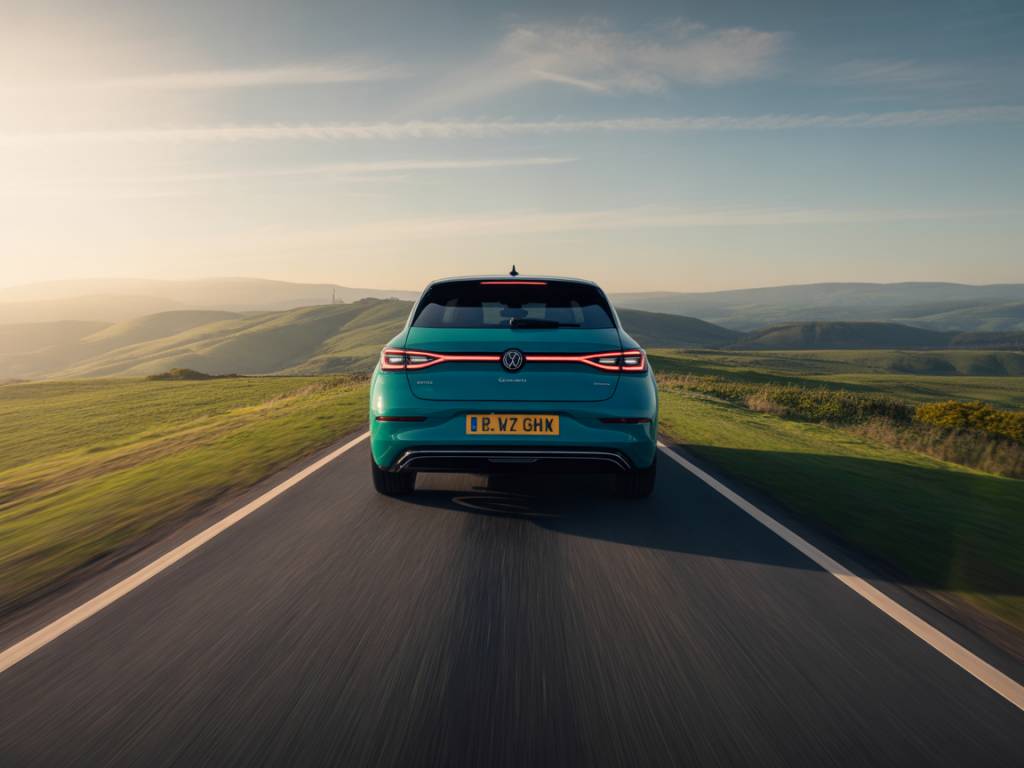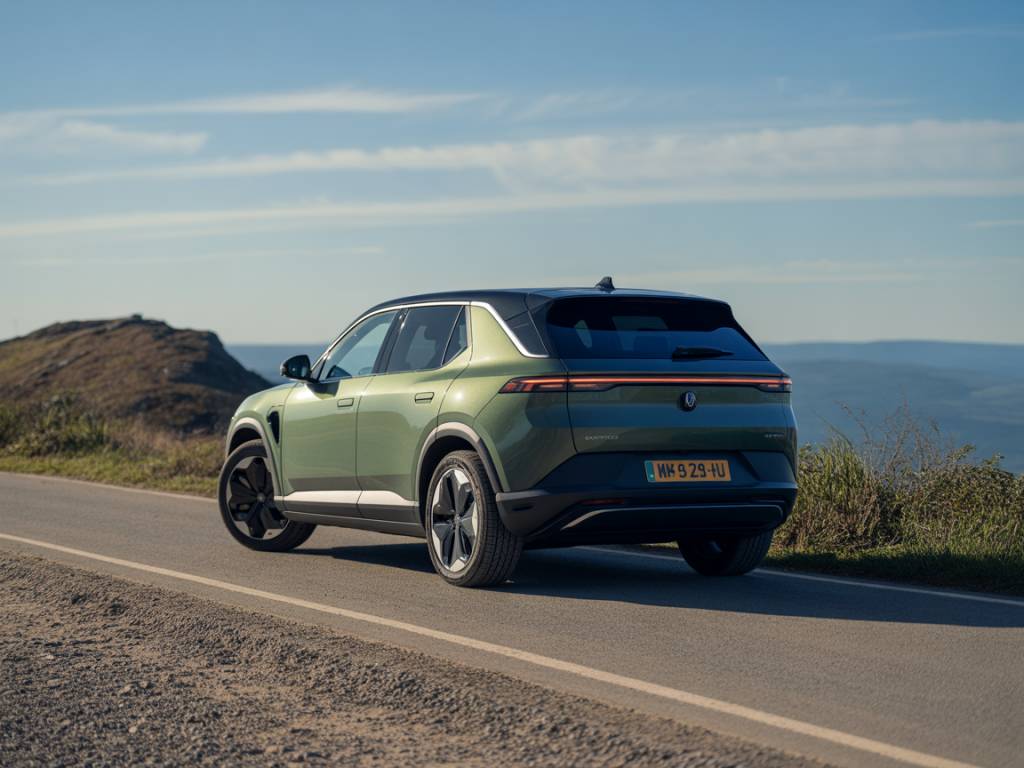
If you’re a UK family looking at your first electric SUV, you’re probably juggling two very different realities: the chaotic school run and the long holiday slog up the M6. You need something that swallows kids, kit and clutter during the week, but can also do Bristol–Cornwall or London–Peak District without turning every stop into a charging drama.
After thousands of miles in these cars in real British weather, stop‑start traffic and wet‑motorway slogs, a few models stand out as genuinely family‑friendly — not just on the brochure, but in day‑to‑day use.
What families really need from an electric SUV
Before looking at specific models, it’s worth being clear about the brief. For most UK families, these matter more than 0–62 mph times or giant touchscreens:
- Space where it counts: rear legroom, three proper seats, ISOFIX points you can actually reach, and a boot that can take a pushchair plus shopping.
- Real-world range: 200+ winter miles on the motorway is a good target if you do regular road trips; 150–180 miles can be enough if you mainly do local driving and can charge at home.
- Charging speed: not just the maximum kW figure, but how long it really takes to go from 10–80% on a reasonably fast DC charger.
- Running costs: energy efficiency (miles per kWh), servicing intervals, tyre wear, insurance group – all of which can vary more than you’d think.
- Ease of use: simple controls, good visibility, easy child-seat installation, and sensible driver aids that don’t nag every five seconds.
- Value and depreciation: list price is one thing; monthly payments and residual values are what actually hit your wallet.
With that in mind, here are the electric SUVs that currently make the strongest case for UK family life.
Tesla Model Y: the efficient all‑rounder
The Model Y is everywhere now, and there are boring reasons for that: space, range and charging network. As a family tool, it’s hard to ignore.
Why it works for families:
- Space: huge rear legroom, flat floor and a massive boot (about 854 litres including the underfloor space) plus a useful front boot. Double buggy, scooters, sports gear – it all fits.
- Range: in the Long Range version, expect around 260–280 real‑world miles on the motorway in mild weather, closer to 220–240 in winter. That’s enough for most UK holiday runs with a single 20–30 minute stop.
- Charging: Tesla’s Supercharger network is still the most reliable and easiest to use. 10–80% typically takes 25–30 minutes on a V3 Supercharger if you pre‑condition the battery.
- Running costs: very efficient – often around 3.5–4.0 miles/kWh in mixed use, which keeps energy bills down.
Where it’s less ideal:
- Ride comfort: on UK roads, especially with the bigger wheels, it can feel firm. If your school run includes potholes and speed humps, test it on your route.
- Interior feel: minimalist and functional rather than cosy; some love it, others miss physical buttons and a more “normal” ambience.
- Price: still not cheap, though used prices are softening and PCP deals have improved with UK price cuts.
If you do a lot of long‑distance family driving and you want as little hassle as possible with charging, the Model Y remains one of the most stress‑free options.
Skoda Enyaq iV: the practical favourite
The Enyaq is the one I recommend most often to families who ask for “an electric Kodiaq” or “something sensible that just works”. It’s not flashy, but it nails the basics.
Why it works for families:
- Boot and cabin space: up to around 585 litres of boot space, a square opening, and loads of rear headroom. Three kids across the back is realistic, and the rear bench is comfortable on long trips.
- Range options: the 60 model is fine for mostly local use; the 80 and 80x are better for regular road trips. Expect roughly:
- Enyaq 60: 170–190 motorway miles in real use
- Enyaq 80: 220–250 motorway miles, depending on load and weather
- Comfort: one of the more forgiving rides in this class. It copes well with the lumps and bumps of typical UK B-roads and urban streets.
- Practical touches: Skoda’s usual “Simply Clever” bits – door edge protectors, umbrella in the door, lots of storage cubbies – are genuinely helpful with kids.
Where it’s less ideal:
- Charging: DC speed tops out at around 135 kW on most variants. That’s fine, but not class‑leading. Think 30–35 minutes 10–80% if the charger is up to it.
- Software: infotainment has improved with updates but can still occasionally lag or glitch. Not a deal‑breaker, but worth mentioning.
For many families, the Enyaq is the sweet spot: enough range for UK holidays, excellent practicality, and a familiar “normal car” feeling that makes the switch to electric easy.
Hyundai Ioniq 5: family EV with ultra‑fast charging
The Ioniq 5 is the one that tends to win hearts on the test drive. It looks sharp, the interior is clever, and under the skin it has one of the best charging systems on the market.
Why it works for families:
- Space: huge wheelbase means limo‑like rear legroom, flat floor and a sliding rear bench. Boot space is about 527 litres, which is decent for most family uses.
- Charging: on a good 350 kW charger, the big‑battery version can do 10–80% in around 18–20 minutes. Even on 150 kW units it’s seriously quick. This makes a big difference on long holiday runs.
- Comfort: soft, quiet and relaxed. One of the best for soaking up motorway miles with kids asleep in the back.
- Real‑world range:
- 77 kWh versions: typically 230–260 miles mixed driving, 200–220 on winter motorways.
Where it’s less ideal:
- Boot vs rivals: boot is fine but not class‑leading, especially compared to Model Y or Enyaq. A big pram and holiday luggage can be tight.
- Rear visibility: the design means a small rear window. Parking sensors and cameras are good, but it’s still a factor.
If you value comfortable ride quality and fast charging over having the very biggest boot, the Ioniq 5 is one of the best-balanced family EVs you can buy.
Kia EV6: for families who rack up motorway miles
Sharing its platform with the Ioniq 5, the EV6 is the more “GT”‑flavoured sibling: a little sportier, a touch more efficient at speed, and still properly practical.
Why it works for families:
- Range: one of the best in class for motorway efficiency. Real‑world is often 240–270 miles mixed, 210–230 miles at typical motorway speeds.
- Charging: same 800V tech as the Ioniq 5, so 10–80% in under 20 minutes on a good rapid charger.
- Boot: around 490 litres in the rear but well shaped, and some models get a small front boot. It’s more than enough for most family trips.
- Driving feel: stable and secure on the motorway, with well‑controlled body movements. If you tow a small caravan or trailer (check specific model tow limits), the EV6 is one of the better electric tow cars.
Where it’s less ideal:
- Rear headroom: the sloping roofline eats into rear headroom. Tall teenagers may find it tighter than in an Enyaq or Model Y.
- Price: strong residuals mean monthly payments can be higher than some rivals, although that’s offset a bit at the end of a PCP.
If your “family SUV” does serious miles – grandparents in Scotland, festivals in Somerset, ski trips via the tunnel – the EV6’s charging speed and range are a real asset.
Volkswagen ID.4 / ID.5: comfortable and familiar
The ID.4 and coupe‑styled ID.5 cover much the same ground as the Enyaq, but with a more “VW” feel inside and a slightly different approach to styling and equipment.
Why they work for families:
- Space: very good rear legroom, flat floor and a wide back seat. Boot size is competitive (around 543 litres in the ID.4), and the square shape makes it easy to pack.
- Comfort: generally soft‑riding and quiet; they feel like traditional family crossovers in the way they go down the road.
- Range: with the larger battery, expect similar to an Enyaq 80 – around 220–250 miles in mixed real‑world use.
Where they’re less ideal:
- Controls: touch‑sensitive sliders for climate and volume, and a reliance on the central screen for simple tasks. Recent software updates have improved things slightly, but it’s not as intuitive as it should be.
- Charging: decent rather than exceptional. Plan on roughly 30–35 minutes for a good 10–80% fast charge.
If you like the idea of the Enyaq but prefer the VW badge or interior, the ID.4 and ID.5 are worth serious consideration, especially as used examples are becoming more affordable.
MG ZS EV: budget‑friendly family EV
If your priority is to get into a practical electric SUV without a £50k budget, the MG ZS EV is hard to ignore. It’s not the most advanced car here, but it covers the basics for less.
Why it works for families:
- Price: one of the cheapest new electric SUVs in the UK, and even more attractive as a nearly‑new purchase. This significantly shortens the “payback” period versus a comparable petrol SUV.
- Boot: around 470 litres, with a useful underfloor compartment. Plenty for prams, sports bags and the weekly shop.
- Range:
- Long Range versions deliver around 180–200 real‑world motorway miles, 220+ around town.
- Equipment: generous spec for the money – heated seats, decent infotainment, and plenty of driver‑assist kit on higher trims.
Where it’s less ideal:
- Charging speed: DC rapid charging is slower than the best here – think more 35–45 minutes from 10–80% on a typical fast charger.
- Refinement: you’ll notice more road noise and a less sophisticated ride compared to a Korean or German rival. For shorter trips this may not matter; for long motorway holidays, it might.
For families mainly doing school runs, activities and local journeys with the occasional longer trip, the MG ZS EV is a cost‑effective way into electric motoring.
Nissan Ariya: comfort and quality feel
The Ariya is Nissan’s grown‑up electric SUV – a step up from the Leaf in both size and perceived quality. It’s aimed squarely at families who want comfort and a premium‑leaning interior.
Why it works for families:
- Interior quality: one of the nicest cabins in this group, with soft materials, well‑judged lighting and clear controls. It feels like a calm place to sit on long journeys.
- Space: generous rear space and a good‑sized boot (up to around 466–468 litres depending on version), with a wide opening.
- Range:
- 63 kWh battery: around 170–190 miles real‑world motorway.
- 87 kWh battery: around 220–250 miles, depending on conditions.
- Comfort: quiet, settled ride; excellent seats that stay comfortable for hours. This matters more than headline acceleration figures when you’ve got kids in the back.
Where it’s less ideal:
- Price: new, it’s not cheap. As a used buy, however, it’s becoming very interesting value compared with some German rivals.
- Charging: good but not standout – figure on roughly 30–35 minutes 10–80% when you find a capable DC charger.
If you’re after a family EV that feels upmarket inside without going full‑luxury, and you value comfort over sportiness, the Ariya deserves a spot on your shortlist.
How to choose the right electric SUV for your family
Specs and brochures are one thing; the reality of your weekly routine is another. A few practical questions can quickly narrow down your options.
1. How often do you really do long trips?
- Mainly school runs and local journeys: MG ZS EV, Enyaq 60 or smaller‑battery versions of the Ioniq 5/ID.4 can be entirely sufficient. Prioritise comfort and price over maximum range.
- Regular UK‑wide road trips: Tesla Model Y, Kia EV6, Hyundai Ioniq 5, Skoda Enyaq 80 or Nissan Ariya 87 kWh give enough real‑world range and tolerable charging stops.
2. Can you charge at home?
- Yes, with off‑peak tariff: even a larger‑battery EV can be very cheap to run. Focus on range/comfort rather than absolute efficiency.
- No home charging: prioritise efficiency and charging speed, and check the reliability and pricing of local rapid chargers. Model Y, EV6 and Ioniq 5 score well here; also look at how easy the payment and apps are to live with.
3. How old (and tall) are your kids?
- Child seats and toddlers: check ISOFIX access, rear door opening angle and whether you can fit rear‑facing seats without crippling front legroom. Enyaq, Ioniq 5 and Model Y are particularly good here.
- Teenagers: prioritise rear headroom and legroom – Enyaq, Ariya, ID.4 and Model Y are safer bets than coupe‑style EV6 or ID.5.
4. What’s your real budget – not just list price?
- Look at total monthly cost: finance, insurance, electricity, and servicing.
- Factor in residual values: Teslas and Korean EVs (Ioniq 5/EV6) currently tend to hold value reasonably well; that can reduce leasing and PCP payments.
- Don’t forget tyres: heavy EV SUVs can eat through rubber, especially performance versions. Check tyre size and likely cost before you sign.
5. Test the boring but important stuff
- Can the boot take your actual pushchair, travel cot or sports kit?
- Can you get kids in and out in a narrow parking bay without door‑ding panic?
- Is the infotainment simple enough that you’re not digging in menus while trying to follow a sat‑nav route to a new school or club?
The right family EV SUV is the one that makes your life easier Monday to Friday, and doesn’t turn half‑term getaways into endurance events. On that basis, the likes of the Tesla Model Y, Skoda Enyaq, Hyundai Ioniq 5, Kia EV6, Volkswagen ID.4, MG ZS EV and Nissan Ariya all have a strong claim, depending on your budget and priorities.
If you’re unsure where to start, try this rough guide:
- Best all‑rounder, especially for long trips: Tesla Model Y or Kia EV6.
- Most practical “normal” family SUV feel: Skoda Enyaq iV.
- Most comfortable and tech‑forward: Hyundai Ioniq 5.
- Best on a tighter budget: MG ZS EV.
- Most upmarket cabin without going full‑luxury: Nissan Ariya.
Whichever you lean towards, bring the whole family to the test drive, load the boot with your real kit, and drive a route that includes your usual school run and a stretch of dual carriageway. The right choice will be the one that feels boringly easy when you do that – which, for a family car, is exactly what you want.