
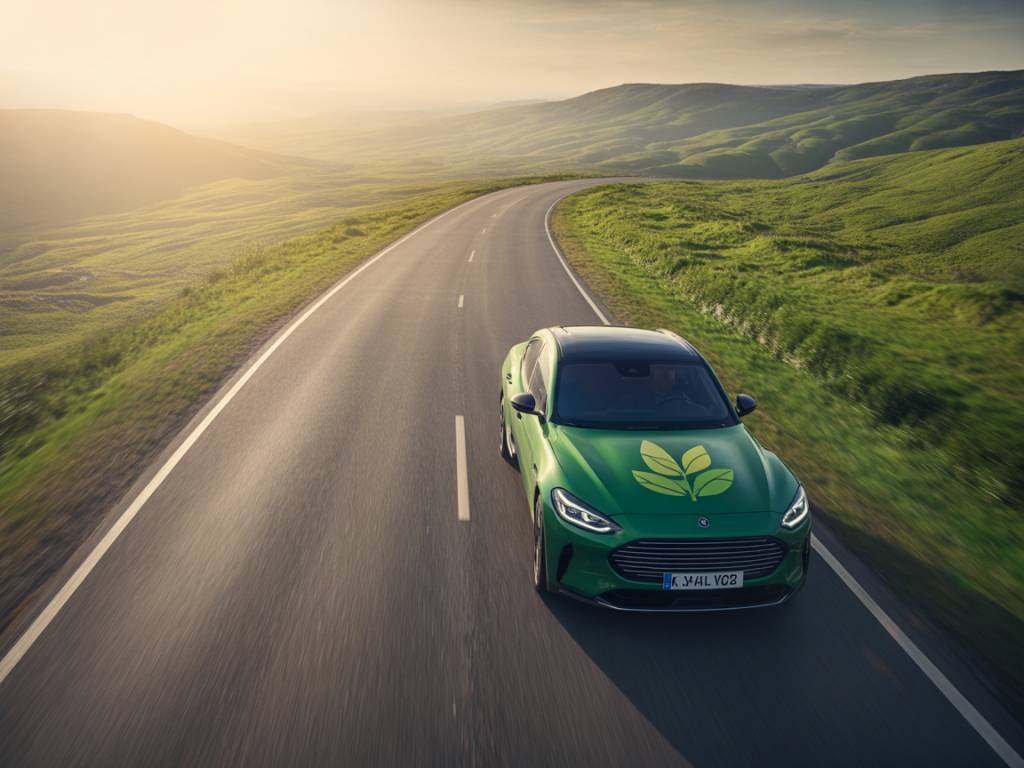
If you follow car news, it can feel like the future has already been decided: batteries good, internal combustion bad, end of story. But in the background, there’s a quieter question that matters a lot if you already own a petrol or diesel car:
Could low-carbon liquids – biofuels and synthetic fuels – give existing cars a second life in a net-zero world, instead of sending everything to the scrapyard early?
Let’s strip away the marketing gloss and look at what these fuels really change for drivers: costs, emissions, availability and everyday usability.
What are we actually talking about?
Two big families of “alternative” liquid fuels are jostling for attention:
- Biofuels: Made from biological material – crops, waste oils, agricultural or forestry residues. Think bioethanol (for petrol) and biodiesel/HVO (for diesel).
- Synthetic fuels (e-fuels): Made using captured CO₂ plus hydrogen produced from low-carbon electricity. Chemically, they can look very similar to conventional petrol or diesel.
On paper, both can be “drop-in” replacements for fossil fuels, meaning you can use them (sometimes with blending limits) in existing engines with little or no hardware changes.
That’s the sales pitch. The real questions are:
- Do they actually cut emissions in a meaningful way?
- Can they be produced at scale, at an acceptable cost?
- Will they still be available, and legal, for private motorists in 10–20 years?
We’ll tackle each of those, but first, it’s worth seeing what’s already happening quietly at the pump.
Biofuels: you’re probably already using them
In the UK and across Europe, biofuels are not some far-off future idea. They’re already in the fuel you buy today:
- E10 petrol: Up to 10% bioethanol blended into petrol. Standard at UK forecourts since 2021.
- B7 diesel: Up to 7% biodiesel (usually FAME – Fatty Acid Methyl Ester) blended with fossil diesel.
Most drivers didn’t have to change anything except maybe check whether an older petrol car was E10-compatible.
There are also more advanced options starting to appear:
- E85 (up to 85% ethanol) in some European countries, for flex-fuel vehicles.
- HVO (Hydrotreated Vegetable Oil) – a renewable diesel made from waste oils and fats, increasingly popular with fleets and some hauliers because it can be nearly a straight swap for regular diesel.
From a user point of view, this all sounds perfect: same cars, same filling stations, lower carbon footprint. But the reality is more nuanced.
How low-carbon are biofuels in the real world?
With biofuels, the key phrase is “well-to-wheel” emissions – not just what comes out of the tailpipe, but the full chain from growing, processing and transport to final use.
Broadly:
- First-generation biofuels (from crops like corn, wheat, sugarcane, rapeseed) can cut emissions by perhaps 20–60% per litre compared to fossil fuel, depending on how they’re grown and processed.
- Advanced biofuels (from waste oils, residues, non-food crops) can reach 70–90% savings – this is where most serious climate models expect the real gains to come from.
Where things get tricky is land use. If farmers grow fuel crops instead of food, and that pushes agriculture into new areas (deforestation, peatland draining, etc.), the climate “benefit” can evaporate or even go negative. That’s why modern regulations in Europe are increasingly restricting food-based biofuels and incentivising waste-based alternatives.
For you as a driver, though, the main points are simpler:
- The E10 and B7 you’re using today deliver a modest but real emissions saving versus pure fossil fuel.
- The big carbon wins are likely to come from advanced biofuels used in specific sectors that are hard to electrify, rather than from simply making petrol cars “green” indefinitely.
Practical pros and cons of biofuels for everyday drivers
Looking beyond carbon, how do biofuels affect day-to-day running?
Pros
- Minimal lifestyle change: Same filling routine, same cars, no need to worry about charge points or range in cold weather.
- Compatibility: Most modern petrol cars are fine with E10; most modern diesels are designed for at least B7.
- Potential local air quality gains: Some blends can marginally reduce particulate or CO emissions, though this varies by engine and fuel.
Cons
- Fuel consumption: Ethanol has a lower energy density than petrol. With E10, most drivers see a small hit – typically 1–3% higher consumption than E5. It’s not dramatic, but it’s there.
- Cold starts and storage: Higher bio-content fuels can be more sensitive in cold weather and long-term storage, especially high-percentage biodiesel. That’s why some off-grid users and classic owners remain wary.
- Availability of “high blend” options: E85 and pure HVO are still niche in the UK. You’re unlikely to find them on every corner any time soon.
For most private motorists, the realistic near-term picture is simple: you’ll keep using blends like E10 and B7, and you’ll barely notice, apart from a slightly higher fuel bill per mile.
Synthetic fuels (e-fuels): engineering dream or practical solution?
Synthetic fuels have had a lot of glossy coverage, mostly because high-end brands (Porsche, for example) see them as a way to keep combustion engines alive without wrecking climate targets.
The recipe looks elegantly simple:
- Use renewable electricity to split water into hydrogen and oxygen (electrolysis).
- Capture CO₂ from the air or industrial sources.
- Combine hydrogen and CO₂ to create hydrocarbons (e-methanol, e-petrol, e-diesel).
If all the inputs are low-carbon, then when you burn the resulting fuel, the CO₂ released is (in theory) the same CO₂ you captured earlier. Net effect over the full cycle can be very low-carbon.
From the driver’s seat, the advantages are obvious:
- Existing cars and infrastructure can be reused.
- Refuelling time stays at minutes, not hours.
- Range and towing ability are unchanged.
So why aren’t we all running on e-petrol already?
The efficiency problem (and why it matters for your wallet)
The main constraint for synthetic fuels is energy efficiency.
If you take 100 kWh of renewable electricity and:
- Put it straight into a battery EV, you might end up with 70–80 kWh at the wheels.
- Convert it into e-fuel and burn it in a combustion engine, you might only get 10–15 kWh at the wheels.
Those are ballpark figures, but they illustrate the key point: using e-fuels to power cars wastes a lot more renewable energy than using the same electricity directly in EVs.
Economically, that matters because someone has to pay for all that extra equipment, energy and infrastructure. Right now, pilot plants for e-fuels are producing tiny volumes at extremely high costs – several pounds per litre or more.
Could that come down with scale? Of course. But even optimistic scenarios tend to put e-fuels at a significantly higher cost per mile than either:
- Direct use of electricity in BEVs, or
- Conventional petrol/diesel, unless carbon is heavily taxed.
In short: e-fuels might make sense for sectors where batteries are a nightmare (long-haul aviation, certain shipping routes), but using them to run everyday commuter cars looks like an expensive luxury.
Will synthetic fuels keep ICE cars alive after 2035?
A frequent hope from some petrolheads is: “I’ll just keep my petrol car and run it on synthetic fuel once new ICE sales are banned.”
A few hard realities to consider:
- Regulation: The UK and EU 2035 bans focus on new car sales, not the fuels themselves. But policy is clearly aimed at pushing road transport towards electrification, not alternative liquids for mass-market cars.
- Volume: To replace just a fraction of current petrol and diesel usage with e-fuels would require a colossal expansion of renewable electricity generation and synthetic fuel plants.
- Pricing and prioritisation: Whatever e-fuel production does exist will likely be prioritised for aviation, shipping and maybe motorsport before private cars. Those sectors have fewer alternatives.
Realistically, e-fuels look more like:
- A niche solution for heritage and performance cars that people are willing to pay to keep on the road.
- A strategic option to decarbonise transport modes where batteries don’t work well.
They are unlikely to be a mass-market, affordable fuel for the average hatchback doing the school run.
Who do these fuels actually make sense for?
Taking biofuels and synthetic fuels together, a pattern emerges when you look at use cases rather than technology headlines.
Most promising real-world fits:
- Heavy-duty and off-road vehicles: HGVs, construction equipment, agricultural machinery – areas where electrification is slower and vehicles are expensive enough to justify premium low-carbon fuels.
- Existing fleets with long lifespans: Buses, municipal fleets, specialist vehicles, where replacing the fleet quickly with electric alternatives is both costly and logistically complex.
- Aviation and shipping: Especially for e-fuels and advanced biofuels – these sectors are politically and economically high-priority for limited low-carbon liquids.
- Classic and enthusiast cars: High-cost, low-mileage vehicles where owners are prepared to pay a premium to keep them running with a smaller carbon footprint.
Where they make less sense is the exact segment most of us are in: the everyday private car that does 8,000–12,000 miles a year, mostly predictable routes, mostly within a single country.
Here, battery-electric or at least plug-in hybrid solutions tend to win on:
- Energy efficiency per mile
- Total running cost (fuel + maintenance)
- Fit with future policy and infrastructure investment
What does this mean for car buyers over the next decade?
Put simply: if you’re choosing your next car, should you factor in some future where you feed your petrol hatchback with e-fuel and save the planet?
Probably not.
More realistic expectations:
- Short to medium term (2024–2030): You’ll continue to see a gradual increase in biofuel blends (within current standards) and a wider push towards electrification for new cars. Your existing ICE car will run fine on the fuels available.
- 2030–2035: New ICE and hybrid sales will be heavily restricted or phased out in the UK and EU, with exceptions mainly for some niche or low-volume applications. Electrified options become the norm for new purchases.
- Beyond 2035: Liquid low-carbon fuels are likely to be focused on aviation, shipping, heavy duty and specialised vehicles. Private motorists still using ICE cars may see fuel prices and availability become less favourable over time.
If you’re buying now and plan to keep the car for 10–15 years, it’s worth asking:
- How exposed do I want to be to future fuel price rises and possible taxation?
- Will my regular driving pattern work with a home charger or reliable public charging?
- Do I need the long-range and towing capability of a diesel, or am I keeping it out of habit?
For many drivers, a well-chosen EV or PHEV already makes more financial and practical sense than betting on tomorrow’s low-carbon petrol or diesel.
Practical tips if you own a petrol or diesel car today
You don’t need to panic-sell your ICE car, but you can make smarter choices around fuels and usage.
For petrol drivers (E10)
- Check compatibility: Most petrol cars from the early 2000s onwards are fine with E10; official manufacturer lists are easy to find. If your car can’t use E10, you may need to stick with “Super” (E5) for the long term.
- Expect slightly higher consumption: Don’t be surprised if your MPG drops a couple of percent on E10 versus E5.
- If you do very low mileage or storage: For classic or seasonal vehicles, consider using E5 or specific storage additives, as ethanol blends can attract moisture.
For diesel drivers (B7 and beyond)
- Know what’s in your tank: Standard forecourt diesel is usually up to 7% biodiesel. Most modern engines are designed to handle this.
- Fleet or business use?: If you run a small fleet, it may be worth investigating HVO supply, especially if you care about corporate carbon reporting. It’s more expensive, but the CO₂ savings can be substantial.
- Cold weather and filters: Higher bio content can be more sensitive in very cold climates and may affect fuel filters over long periods. Stick to reputable suppliers and follow service intervals.
Above all, use this “transitional” period to plan your next move rather than assuming a miracle fuel will rescue the combustion engine status quo.
So, are biofuels and synthetic fuels a realistic alternative for drivers?
If by “realistic alternative” you mean:
- A direct, affordable, mass-market replacement for petrol and diesel in everyday cars, keeping everything else the same…
…then the honest answer is not really, not at the scale and price point most private motorists would need.
However, if you define “realistic” more narrowly:
- Biofuel blends are already helping to trim emissions from the existing fleet, quietly and effectively, with almost no change in driver behaviour.
- Advanced biofuels and HVO look like strong tools for decarbonising specific fleets and heavy-duty uses, where rapid electrification isn’t yet practical.
- Synthetic fuels are promising as a targeted solution for sectors with no easy alternative, and as a lifeline for a relatively small number of cherished performance and classic cars.
From the perspective of an everyday driver planning their next car purchase, these fuels are best seen as:
- A helpful way to slightly reduce the climate impact of the cars already on the road, and
- A specialised tool for particular niches, not a free pass to keep buying new petrol and diesel cars indefinitely.
The main levers you control as a driver remain the same:
- What kind of car you buy next (and how efficient it is).
- How you drive it – speed, acceleration, maintenance all have big impacts on consumption.
- How often you really need the capabilities of a large ICE vehicle versus what habit tells you.
Biofuels and synthetic fuels will almost certainly be part of the low-carbon future. They just won’t play the starring role in everyday motoring that some press releases like to suggest. For most drivers, batteries – not barrels – will do the heavy lifting.