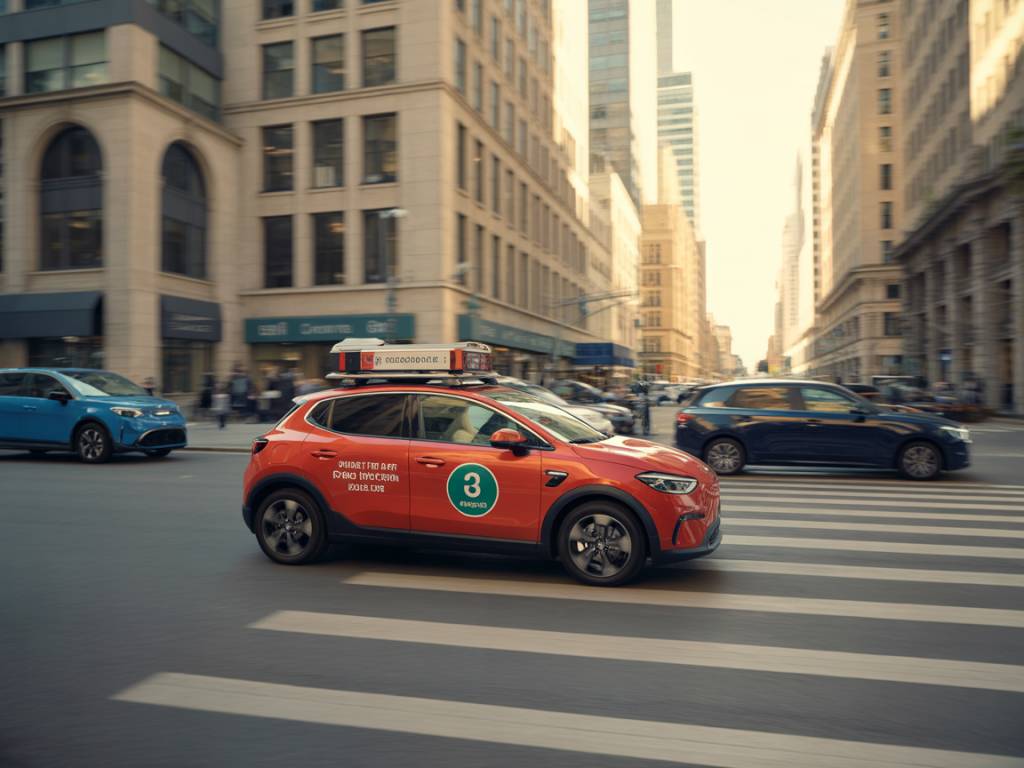
Can you live in a big city today without owning a car – and not feel constantly stuck, late or soaked in the rain? Between car sharing, flexible leases and subscription services that promise “Netflix, but for cars”, the offer has never been richer. But how far can these alternatives really go in replacing traditional ownership for modern city drivers?
After ten years of testing EVs, hybrids and petrol cars in real-world traffic – and spending too much time in London congestion zones and cramped multi-storey car parks – I’ve learned one thing: the right solution isn’t ideological, it’s practical. Let’s unpack when car sharing and subscriptions genuinely work better than ownership, and when they quietly end up costing more money and hassle than they save.
What are we actually talking about?
“Car sharing” and “subscriptions” are often thrown into the same pot, but they cover very different services.
Car sharing generally means:
Car subscriptions generally mean:
Compared with classic ownership (and even traditional leases), the big promise is flexibility: no long-term commitment, no big deposit, much less admin.
Car sharing vs owning: who really saves money?
This is the key question for most urban drivers: do I actually spend less without a car on my driveway or in my building’s underground car park?
Let’s take a realistic example for a city like London, Manchester or Birmingham.
Case 1: “I drive a bit every week, plus the odd weekend”
Imagine you:
Over a month, that’s roughly:
A typical car sharing tariff for a mid-size car might be (realistic 2024 ballpark):
Let’s say £7/hour, 60 miles included per booking, £0.30/mile beyond that.
Rough monthly cost:
Now compare that with owning a modest used petrol or hybrid city car:
Ownership ballpark: £290–£455/month all in.
Even if your numbers vary, the pattern is clear: in this “light but regular” usage scenario, car sharing crushes ownership on cost. You easily save £150–£250/month, plus you don’t worry about MOTs, servicing, or tyres.
Where’s the tipping point?
From tests and reader feedback, car sharing usually stops being cheaper once you’re above:
Beyond that, hourly or per-minute billing accumulates fast, and the convenience of having “your” car suddenly justifies the fixed costs of ownership or a classical lease.
What about convenience and stress?
Money isn’t everything. If every trip starts with a treasure hunt for a nearby available car, the novelty wears off fast.
Car sharing advantages in real city life:
That flexibility is underrated. Using a small EV in central London or Paris is genuinely more relaxing than threading a family SUV down medieval streets and tight car parks.
The not-so-fun side:
If you’re the type who hates uncertainty, or if you have children to strap in at 7:30am sharp, the lack of guaranteed access can be a real downside.
Car subscriptions: halfway house between sharing and leasing
Car subscriptions have exploded in the last few years, particularly with EVs. Brands and third parties offer packages where you pay a monthly fee covering:
You usually get:
Typical numbers for a compact EV subscription today (UK, 2024):
How does that compare to ownership or a lease?
On a straight monthly figure, subscription is usually:
The difference is in risk and commitment:
For many urban drivers who don’t clock huge mileage, that “peace of mind plus flexibility” is worth £100–£150/month over the cheapest possible lease. Especially if they’re experimenting with EVs and unsure how the charging will fit their lifestyle.
When sharing or subscription beats ownership for city drivers
Let’s be concrete. There are several profiles for whom sharing or subscription is not just “viable”, but actually smarter.
1. The low-mileage, high-transport city dweller
If you live in a city with:
And you only need a car for groceries, IKEA, occasional nights out or visiting relatives, then car sharing is almost always cheaper and less hassle than owning.
You’re free from parking headaches, depreciation, annual servicing and tyre bills. You also sidestep the temptation to use the car just because it’s there – which means fewer short, cold-engine journeys and lower emissions.
2. The relocation or life-transition phase
Starting a new job in a big city and unsure how often you’ll really need a car? Moving in with a partner and still figuring out if two cars are overkill?
A 3–6 month subscription gives you a “test phase” without the long leash of a PCP or lease contract. You pay more per month, but you’re buying information and flexibility:
After those six months, you can downsize to car sharing, commit to full ownership, or stick with subscription if your life remains in flux.
3. The EV-curious city driver without home charging
This is a big one. Many urban readers tell me they’d like an EV but can’t install a home charger. Public charging is improving, but still patchy in some areas.
A subscription EV compared back-to-back with an ICE or hybrid over a few months is the best real-world test you can run. You’ll quickly see whether:
If it doesn’t work, you hand the keys back and walk away, rather than trying to sell a nearly-new EV at a loss.
Where ownership still wins hands down
There are, however, scenarios where car sharing and subscriptions can’t match a straightforward owned or long-term leased car.
1. High annual mileage or daily commuting by car
If you drive:
Then the fixed costs of ownership spread over many miles work in your favour. Car sharing becomes painfully expensive; subscription might come closer, but usually still costs more than a well-chosen lease or a sensibly bought used car.
2. Families with young children and complex logistics
Car seats, pushchairs, shopping, school runs, after-school clubs, swimming lessons – and the sudden 9pm “we need Calpol now” dash. Sharing and subscriptions struggle with this level of unpredictability unless you essentially keep a car 24/7, in which case you’re back to the economics of a lease.
Ownership means:
For many families, those practicalities outweigh theoretical savings from a more flexible system.
3. Rural or peri-urban drivers
Outside major cities, car sharing coverage drops off rapidly. Walking 20 minutes along an unlit road to pick up a shared car at night is nobody’s idea of progress.
Subscriptions can still make sense here, but mostly as an alternative to buying if you want to avoid long commitments. In day-to-day life, though, you’ll use the car like any other owned vehicle – you just pay a premium for flexibility.
The environmental angle: less about tailpipes, more about habits
There’s a lot of marketing around car sharing as an inherently “green” solution. The reality is subtler.
Car sharing can reduce emissions if:
But if car sharing becomes a cheap alternative to hopping on a bus or taking a bike, then the environmental benefit shrinks or disappears.
Subscriptions have a similar nuance. A flexible EV subscription in a city centre, used mainly for occasional trips, can cut local air pollution compared with an old diesel runabout. But a giant electric SUV used every day for short solo trips in a city centre isn’t “green” just because it’s electric – especially if it’s replacing walking, cycling or buses.
From an emissions standpoint, the real benefit of these services is their potential to reduce the number of privately owned cars that clutter cities and force ever-more parking spaces and roads. That only happens, though, if enough people genuinely give up ownership, not just add sharing and subscription on top.
Practical checklist: is car sharing or subscription right for you?
To avoid being swayed by glossy app screenshots and buzzwords, ask yourself these concrete questions.
About your usage:
About your location:
About your finances and risk tolerance:
If your answers line up with:
Then car sharing and/or subscriptions deserve a serious look – especially in the city.
Making the most of sharing and subscriptions in real life
If you decide to try these alternatives, you can avoid many frustrations with a bit of planning.
For car sharing:
For subscriptions:
The goal isn’t to be an early adopter for the sake of it. It’s to pick the model that best matches your actual life and protects your finances, while reducing unnecessary emissions where possible.
For many modern city drivers, especially singles and couples in well-served urban areas, a mix of public transport, walking, cycling, and strategic use of car sharing or a short-term subscription can absolutely replace full-time car ownership – and feel like a liberation rather than a sacrifice.
For others, particularly high-mileage commuters and busy families, these services are better seen as useful tools for specific situations, not full replacements. The key is to run the numbers honestly, observe your habits, and choose the setup that works for your streets, your schedule, and your wallet – not the one that simply looks clever on an app store page.