
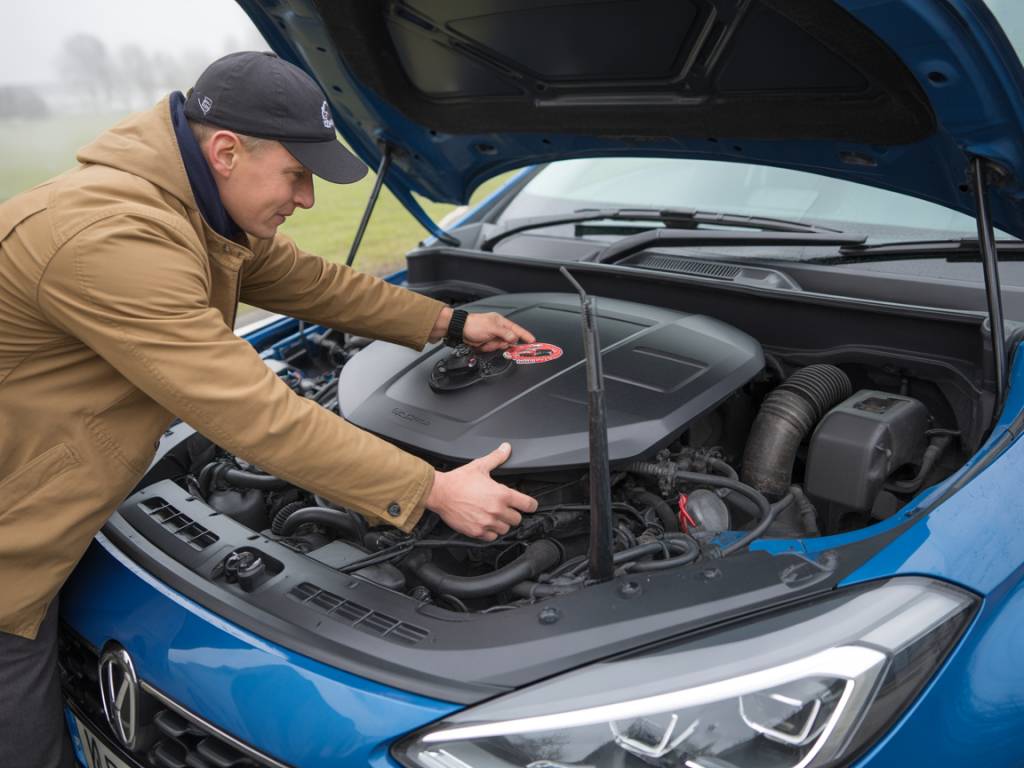
British weather doesn’t really do “stable”. One week it’s frost and gritters, the next you’re stuck in a queue to the seaside with the A/C on full blast. That constant swing between cold, damp, heat and rain is exactly what wears out cars faster than most people realise.
The good news: you don’t need a ramp, a full toolkit or a degree in mechanics to keep your car running efficiently all year. A handful of simple seasonal checks, done at home or quickly at a local garage, can save you fuel, protect your battery (12V and traction on EVs), avoid unexpected breakdowns and keep tyres and brakes working at their best.
Below, I’ll walk through a practical checklist for each season in the UK, with a focus on real gains: fuel and energy consumption, reliability and running costs. It applies whether you drive petrol, diesel, hybrid or full EV – I’ll point out where the advice differs.
Year‑round basics: the four checks that matter most
Before we split things by season, there are a few basics that make a noticeable difference to efficiency all year long:
- Tyre pressures: Underinflated tyres can add 3–6% to your fuel or energy consumption and wear faster. Check at least once a month and before long trips.
- Fluids: Engine oil, coolant and brake fluid (for ICE and hybrids), plus washer fluid on all cars. Low or old fluids don’t just hurt reliability – they can also increase friction and energy use.
- Lights and wipers: Poor visibility = more stress, slower driving and a higher chance of accidents and repairs you really don’t want.
- 12V battery health: On all cars, including EVs, that small battery runs the electronics and can leave you stranded if it dies.
Most of the seasonal checks below are simple extensions of these four pillars, adjusted to what UK weather throws at your car at different times of the year.
Spring checks: undoing winter’s damage
By the time daffodils appear, your car has usually spent months dealing with cold starts, salted roads and constant damp. Spring is the moment to clear out the damage and reset the car for kinder conditions.
1. Check and clean your brakes
Winter salt and grit love to cling to brake components. That can mean:
- Surface rust on discs (normal in light form, less normal if it doesn’t clear under braking).
- Sticky calipers or sliders that make the car feel “draggy” and waste energy.
- Uneven braking, which can trigger ABS interventions sooner and feel nervous in wet weather.
What to do:
- On a quiet, straight road, perform a few firm but controlled stops from 30–40 mph to clean off light rust.
- If you hear grinding or feel the car pulling to one side, have a garage inspect pads, discs and calipers.
- EV drivers: use “friction” braking occasionally, not just max regen, so the discs stay clean and move properly.
2. Wash the underside and wheel arches
Salt is corrosive. Leaving it in seams, arches and suspension components is how you get early rust and seized bolts.
What to do:
- Use a pressure washer or jet wash, focusing on wheel arches, suspension arms and the lower doors.
- If you use a local hand wash, ask them specifically to rinse arches and sills thoroughly.
- On older vehicles, consider an annual rust-protection treatment, especially if you live near the coast or in rural areas with heavy salting.
3. Inspect tyres for winter damage
Potholes multiply over winter. So do sidewall cuts and buckled wheels.
What to do:
- Run your hand gently around the sidewall to feel for bulges or deep cuts.
- Check inside edges too – uneven wear there can indicate misalignment or suspension issues.
- Measure tread depth. Under 3 mm? Start budgeting for replacement before next winter.
4. Cabin filter refresh
The cabin (pollen) filter usually suffers over a damp winter. A clogged filter makes your ventilation and demisting less effective and forces fans to work harder, consuming more energy.
- Replace the cabin filter every 12–24 months, or more often if you live in a polluted or dusty area.
- If you have an EV and rely on climate control heavily, a clean filter can slightly reduce consumption too because the blower doesn’t have to fight a blockage.
Summer checks: staying cool without wasting energy
In the UK we don’t get Mediterranean summers, but we do get enough hot spells and traffic jams to push your cooling and air-con systems hard. Overheating engines and overworked A/C are both enemies of efficiency.
1. Test and maintain your air conditioning
Running A/C will always use some extra fuel or electricity, but a system that’s working properly uses less than one that’s struggling.
Signs it needs attention:
- Takes ages to cool the cabin.
- Strange smells when you turn it on (often bacteria in the evaporator).
- Compressor cycling on and off rapidly.
What to do:
- Run the A/C at least once a week year-round to keep seals lubricated and prevent leaks.
- If cooling is poor, have the system checked for refrigerant level and leaks rather than just “re-gassing” blindly.
- Use “Auto” mode instead of max cold and fan speed; it’s more efficient on most modern systems.
2. Cool the car smartly
How you cool the cabin noticeably affects consumption, especially on EVs in city driving.
- On hot days, open all doors or windows for 30–60 seconds before switching on A/C to dump the hottest air.
- Use sunshades and windscreen shades when parked to reduce cabin temperature and A/C workload.
- EV owners: pre-condition the cabin while plugged in. You use grid energy instead of depleting the battery at the start of your trip.
3. Check coolant levels (ICE and hybrid)
Hotter ambient temperatures expose marginal cooling systems. Running low on coolant damages engines and, in hybrids, can affect the high-voltage battery and inverter cooling circuits.
- Check coolant when the engine is cold. The level should be between MIN and MAX on the expansion tank.
- Never open the cap when hot; you can get a scalding spray of pressurised fluid.
- If you need to top up regularly, there’s a leak that needs professional attention.
4. Watch your tyres in heat
High temperatures increase tyre pressure; long motorway runs on over-inflated tyres reduce grip and can cause uneven wear.
- Always set pressures when tyres are “cold” – not after a 50‑mile drive.
- Check the pressure reference: use the card on the door pillar or fuel flap, not the sidewall “max” rating.
- If fully loaded for holidays, use the higher “full load” pressures listed by the manufacturer.
Autumn checks: preparing for dark, wet and windy
Autumn is when efficiency and safety can drop sharply: wet leaves, standing water, darker evenings and the first frosts. This is the time to get ahead of the conditions rather than waiting for the first icy morning.
1. Tyre tread and type
Good tread is essential once the roads turn cold and greasy. Below about 7 °C, many “summer” compounds harden up and grip less.
- Measure tread depth. Under 3 mm: expect noticeably longer stopping distances in the wet.
- If you regularly drive in rural, hilly or northern regions, consider all-season or winter tyres for better grip and stability.
- EV drivers: choose tyres with an “EV ready” or low-rolling-resistance label; they help range and reduce noise.
2. Wiper blades and washer system
Autumn rain, spray and low sun will reveal any weakness here instantly.
- Inspect blades for splits or streaking. If the screen doesn’t clear cleanly, replace them.
- Top up washer fluid with a quality solution that offers frost protection (typically to at least -10 °C).
- Check all jets are working and correctly aimed at the screen, not over the roof.
3. Lights and visibility
With earlier sunsets and longer commutes in the dark, lights become a major safety and comfort factor.
- Walk round your car once a month with lights on: dipped, main beam, fogs, indicators, brake lights and reversing lights. Replace failed bulbs promptly.
- Clean cloudy plastic headlamp lenses or have them professionally polished; yellowed lenses can reduce light output dramatically.
- Set your mirrors and clean the inside of glass too – dirty interior glass dazzles more at night.
4. Check seals and drains
Heavy rain exposes blocked drains and tired door or boot seals. Water inside the car creates misting, smells and, in EVs, can be a serious electronics risk.
- Check door and boot seals for damage or flattening.
- Lift the bonnet and ensure scuttle panel drains (at the base of the windscreen) are not clogged with leaves.
- After heavy rain, check carpets for damp, particularly in footwells.
Winter checks: efficiency in the cold and dark
Cold weather is when many cars feel their age: batteries weaken, cold oil thickens, and tyres struggle for grip. EVs, in particular, can lose 20–40% of their range in winter if you don’t adapt slightly.
1. Battery health (12V and traction)
The number one winter breakdown cause in the UK is a flat or weak 12V battery.
- If your car cranks slowly, lights dim when starting, or stop-start rarely works, have the 12V battery tested.
- Short journeys with lots of accessories (heated screens, fans, lights) don’t give the alternator or DC‑DC converter enough time to recharge. An occasional longer run helps.
- EV owners: the big traction battery supplies the 12V system via a converter, but the small battery can still fail and prevent the car “waking up”. Don’t ignore slow central locking or random warning messages.
2. Fuel and charging strategy
In colder months, both combustion engines and EVs use more energy.
- ICE / hybrids: avoid very short trips where possible. An engine that never warms up runs rich, wears more quickly and burns more fuel.
- PHEV drivers: try to start journeys with a warmed-up cabin while plugged in, then let the hybrid system do its thing once you’re moving. Don’t waste electric range crawling in freezing traffic with full heating if you’ll later need petrol on the motorway.
- EVs: plan a little more margin into your journeys – if you normally arrive home with 15% in summer, aim for 25–30% in winter, especially if public chargers on your route are busy.
3. Pre-heating and climate settings
Heating the cabin is one of the biggest winter energy drains, especially on EVs without a heat pump.
- Use pre-heating while plugged in to warm the cabin and (on many EVs) the battery. This improves comfort and maximises available range.
- Once driving, try a slightly lower cabin temperature and use seat and steering wheel heaters if available – they draw less energy than blasting hot air.
- On ICE cars, avoid idling on the driveway to “warm up”. Drive gently instead; it warms the engine faster and uses less fuel.
4. Tyres and grip on cold roads
Below about 7 °C, tyre compound performance changes; braking distances get longer and traction systems work harder.
- If you run summer tyres, be extra cautious on frosty mornings and greasy side roads.
- Consider switching to all-season or winter tyres if you regularly encounter snow and ice. They offer significantly better stopping performance in cold, wet and slushy conditions.
- Check tread and pressures more often; cold air reduces tyre pressure, so you may need a small top-up compared to your summer setting.
5. Winter kit and simple checks
A few cheap items can save a lot of time and stress:
- Ice scraper and de-icer spray.
- Gloves and a small torch (head torches are ideal for changing a wheel or checking a leak at night).
- Warm layer or blanket, especially if you regularly use rural routes.
Mechanically, winter is also a good time to:
- Check antifreeze concentration in your coolant (for ICE/hybrids). Most garages can do this in minutes.
- Top up washer fluid with a winter-grade mix that won’t freeze in the jets.
- Lubricate door seals lightly with silicone to stop them freezing shut.
EV‑specific seasonal tips
A lot of the above applies equally to EVs, but a few points are worth highlighting separately because they have a big impact on range and battery life.
Battery temperature and charging
- In winter, rapid charging speeds can drop dramatically when the battery is cold. If possible, aim to rapid charge after some driving, not from cold straight off the driveway.
- Use any available “battery preconditioning” feature before fast charging – particularly on cold or very hot days – to protect long-term battery health and maintain good speeds.
- In summer, avoid leaving the car at 100% charge sitting in hot sun all day. For daily use, charging to around 80% is kinder to the battery.
Climate and driving modes
- Use eco or range modes when appropriate; they usually moderate acceleration and climate power draw without making the car unusable.
- Experiment with different regen settings across seasons. In winter, too much regen on a slippery road can unsettle the car; many EVs let you dial it back slightly.
- Make small aerodynamic gains: remove empty roof boxes and racks once you’re back from holiday. They can easily cost 5–10% of your range at motorway speeds.
Building a simple seasonal routine
Keeping track of all this doesn’t have to be complicated. The easiest way is to tie checks to the seasons and to your own habits:
- Every month: Tyre pressures, washer fluid, quick walk-round for lights and visible damage.
- Spring: Deep clean (including underside), brake check, cabin filter, post-winter tyre inspection.
- Summer: Air-con performance, coolant checks, heat-aware tyre pressure setting, sun protection strategy.
- Autumn: Tyres and tread, wipers and washers, lights, seals and drains.
- Winter: Battery health, climate use strategy (pre-heating, seat heaters), winter kit in the car, antifreeze and washer protection.
The real benefit of these seasonal checks isn’t just “keeping the car going”; it’s about keeping running costs predictable. A few minutes on tyres and fluids can shave a noticeable amount off your annual fuel or charging bill. A quick brake or battery check in the right month can prevent a roadside recovery call and a much bigger invoice later.
In a UK climate that seems to do all four seasons in one week, treating your car the same all year is what actually costs more. A small, sensible seasonal routine is as close as you can get to “fit and forget” – for petrol, diesel, hybrid and EV alike.